200 Hour Ayurveda Yoga Teacher Training in Rishikesh, India

Home/200 Hour Ayurveda Yoga TTC

Join Our 200 Hour Ayurveda Yoga Teacher Training Course. Gain Expert Guidance, Transformative Insights, and International Certification. Start Your Path to Becoming a Certified Ayurveda Yoga Instructor Today!

  • Beginner-Friendly Ayurveda Yoga Program

  • This RYT 200 Course is accredited by Yoga Alliance, USA

  • Your Path to Teaching Ayurveda Yoga — Fair Pricing, Limitless Learning

  • Launch Your Ayurveda Yoga Career — Online or Studio, Learn Without Limits

24 Days (1 Night Free)

Studio

English

200 Hour Ayurveda Yoga Teacher Training in Rishikesh, India

line

Some journeys are about learning new skills. Others are about remembering something ancient that already lives inside you. The 200-hour Ayurveda Yoga Teacher Training in Rishikesh at Om Shanti Om Yoga Ashram is the second kind — an invitation to step past asanas and alignment cues, and reconnect with Ayurveda, the timeless science of balanced living.
This isn't a course that simply hands you a teaching certificate. It's a slow, deliberate immersion into how Ayurveda and Yoga were always meant to work together — one healing the body and mind, the other offering the practices to sustain that healing long after you leave the mat.
Yoga, with its connection to nature and Ayurveda, sounds so natural and healing. Ayurveda is an Indian healing science believed to have originated from heaven to Earth. There are many stories about yogic science with integrated Ayurveda. We can say that it is a deep subject that needs more time for research and evolution. Om Shanti Om Yoga Ashram took a fantastic step by deciding on a Course for 200-Hour Ayurveda YTTC course in Rishikesh. You will find all essentials in the lap of the Himalayas and can learn Ayurvedic yoga science in a calm environment. There are many things to discuss about this course, like facilities, overview, purpose and teacher training. We are excited to have you on our platform. Let’s discover integrated Traditional Healing ways.

What You will Learn in This Ayurveda YTT in India

As part of one of the most respected 200-hour Ayurveda teacher training programs in India, you'll build your understanding from the ground up: the five elements, the three doshas, sub-doshas, dhatus (tissues), srotamsi (bodily channels), and the subtle web of energies that shape physical health, emotional patterns, and mental clarity. You'll learn to:

Our experienced faculty guide you through this material gently but thoroughly — never rushing the depth, never skipping the substance.

What is Ayurveda Yoga?

This is not any form or type of traditional yoga; it is an integration of the two traditional sciences. Ayurveda is known as the “science of life”, and yoga is called as “Science of Realisations”. These two sciences together will help you in knowing your nature, which is Prakriti; you can diagnose yourself based on these teachings from the Acharyas. This traditional science was in frequent practice during the Vedic period; there were no doctors, and sages practised this science. It works on the energy of any human being. Ayurveda is not limited upto humans; it is valid for animals too. It is a rare chance to experience a 200-Hour Ayurveda Yoga TTC in Rishikesh.

Overview of Ayurvedic Yoga Teacher Training

Ayurveda exclusively focuses on the lifestyle, food and Seasonal schedule of any person, while yoga focuses on the emotional uptake and pranic flow in the body. It covers the whole physical, mental and spiritual side of any human being. There are three doshas mentioned in Ayurveda: Vata, Pitta, and Kapha. They talk about the nature of a person and the diseases to which a man is prone.
Maintaining a balance among these three doshas will bring harmony to any person. It is a unique step and the best integration of the holistic sciences. The course is based on a teacher training programme, which means you can also teach others about this science.

What will you get in Yoga and Ayurveda Teacher Training?

line

There is a proverb in healing science that “ live a conscious life with your choice, is a path to salvation”. Now, how do we know what is a conscious step and what is entanglement? By knowing yourself, you will know your actions, and you will think before doing any particular karma. All these things give you a 180-degree shift in actions, words and thoughts, which will a wonderful transformation. Here are some major changes that you may notice after the Ayurvedic yoga teacher training.

  • A life- life-transforming experience for the advanced-level practitioners and newcomers, too.
  • Profound knowledge of yoga methods and Ayurveda
  • Deeper awareness of your actions and what you should not do.
  • Knowledge about Tridoshas and their solution.
  • Spiritual growth and healing during the session.
  • You can also join if you are already a yoga teacher, because it will enhance the structure and way of designing a yoga class.
  • A proper schedule and a reason to maintain that particular schedule in your life.
  • Connection between Ayurveda and Yogic science.
  • Traditional teaching of Ayurveda and Yogic science, which is referred to by classical texts like Gheranda Samhita, Shiv Samhita and Hatha Yoga Pradipika.
  • Knowledge of ancient yogic culture and Indian healing science basics.
  • Read the body's constitution through an Ayurvedic lens
  • Design breath-led asana sequences tailored to pacify specific doshas
  • Sharpen your sequencing and cueing skills for real-world teaching
  • Offer safe, thoughtful hands-on adjustments
  • Bridge classical Ayurvedic texts with practical, modern application

200 Hour Ayurveda Yoga Teacher Training Course in Rishikesh Upcoming Schedule

line
Course Date Course Fee
(Only Yoga)
Course Fees
(With Food & Shared Room)
Course Fees
(With Food & Private Room)
A/C Room Action
02nd Aug to 27th Aug 2026 $ 800 $ 1000 $ 1200 $ 300
05th Sep to 30th Sep 2026 $ 800 $ 1000 $ 1200 -
04th Oct to 29th Oct 2026 $ 800 $ 1000 $ 1200 -
01st Nov to 26th Nov 2026 $ 800 $ 1000 $ 1200 -
01st Dec to 26th Dec 2026 $ 800 $ 1000 $ 1200 -

02nd Aug to 27th Aug 2026

Status: Available

Only Yoga: $ 800

Yoga+Food & Shared Room: $ 1000

Yoga+Food & Private Room: $ 1200

A/C Room: $300

05th Sep to 30th Sep 2026

Status: Available

Only Yoga: $ 800

Yoga+Food & Shared Room: $ 1000

Yoga+Food & Private Room: $ 1200

A/C Room: $300

04th Oct to 29th Oct 2026

Status: Available

Only Yoga: $ 800

Yoga+Food & Shared Room: $ 1000

Yoga+Food & Private Room: $ 1200

A/C Room: -

01st Nov to 26th Nov 2026

Status: Available

Only Yoga: $ 800

Yoga+Food & Shared Room: $ 1000

Yoga+Food & Private Room: $ 1200

A/C Room: -

01st Dec to 26th Dec 2026

Status: Available

Only Yoga: $ 800

Yoga+Food & Shared Room: $ 1000

Yoga+Food & Private Room: $ 1200

A/C Room: -

What does the Course Fees Include

line

200 Hours Yoga TTC: What’s Included

line

Accommodation:

Comfortable Private and Shared accommodation for 24 days in a peaceful, traditional ashram environment.

Healthy Food:

Three nutritious vegetarian meals a day, well designed to maintain your yoga practice and health.

25-Day Yoga Journey

Transform Your Life in Just 24 Days with Our 200-Hour Yoga Teacher Training.

Learning Materials on Yoga:

Comprehensive study guides, books, and instructions on yoga philosophy, anatomy, and teaching methodology.

Regular Practice of Yoga:

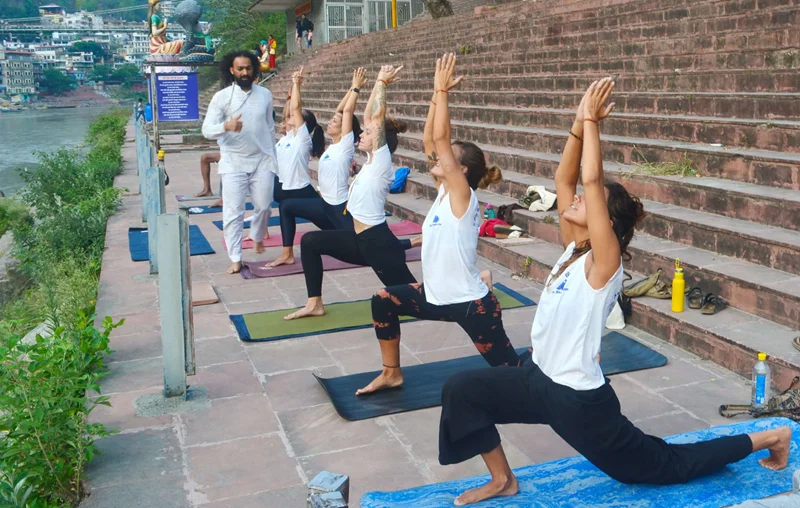
Systematic practice sessions in Hatha, Ashtanga, Vinyasa, and Yin Yoga by qualified instructors.

Facilitated Treks:

Treks to sacred temples, caves, Himalayan summits, and the holy Ganges for meditating and soul-searching.

Ceremonies & Rituals:

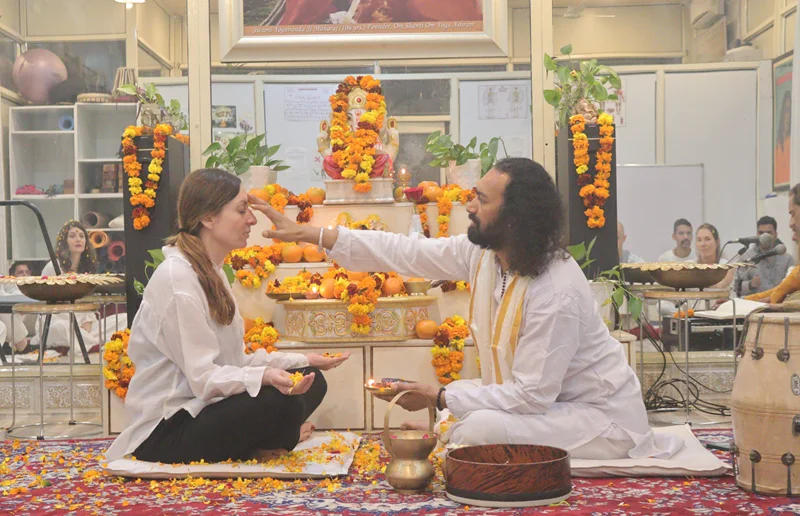
Sustaining attendance at fire puja, recitation of mantra, Ganga Aarti, and purification rites for spiritual enlightening.

Meditation & Breathwork:

Guided meditation, pranayama, and relaxation techniques daily to increase inner awareness.

Yoga Props & Accessories:

Access to yoga mats, blocks, straps, and bolsters during practice.

Karma Yoga & Self-Reflection:

Time devoted to self-study, group discussions, and community service.

Certification:

A Yoga Alliance USA-accredited certificate, allowing you to teach yoga worldwide upon successful completion.

Airport Pickup:

Free airport pickup from Dehradun airport, guaranteeing a seamless and trouble-free arrival.

Closing & Opening Ceremony:

Vedic rituals and energy healing ceremonies to bless your trip.

Healthy Food:

Three nutritious vegetarian meals a day, well designed to maintain your yoga practice and health.

Foreign Flights & Visa:

Students should make their own travel and Indian visa arrangements.

Private Accommodation:

Available on request for an additional $150 USD for the course duration.

Laundry Facility:

Laundry service is included at an extra cost.

Facilitated Treks:

Personal Expenses: Snacks, toiletries, shopping, and souvenirs are excluded.

Ayurvedic Massages and Treatments:

Available on demand for relaxation and rejuvenation for an additional price.

Meditation & Breathwork:

Guided meditation, pranayama, and relaxation techniques daily to increase inner awareness.

Additional Yoga Workshops:

Advanced workshops and teacher training intensives outside of the regular curriculum.

Transportation Beyond Pickup:

Travel beyond pickup, like taxis to local cities or local points of interest, is not included.

Heater or Air Conditioner:

Can be provided for an additional $300 USD for the entire training period.

Full Detail Of 200-Hour Ayurveda Yoga Teacher Training in Rishikesh

line

Click on the box about which you want to know

Ayurveda:

Ayurveda or Ayurvedic medicine is a system of traditional Hindu medicine native to the Indian subcontinent. Contemporary practices derived from Ayurvedic traditions are a type of alternative medicine. Ayurveda is a discipline of the upaveda or "auxiliary knowledge" in Vedic tradition. The origins of Ayurveda are also found in the Atharvaveda, which contains 114 hymns and incantations described as magical cures for disease. Since then Ayurveda has stood for the wholesome physical, mental and spiritual growth of humanity around the world. Today, it's a unique, indispensable branch of medicine, a complete naturalistic system that depends on the diagnosis of your body's humours - vata, pitta and kapha - to achieve the right balance.

  • Foundations of Ayurveda – An Introductory Overview
  • The Five Elements (Pancha Mahabhuta) – Ether, Air, Fire, Water & Earth
  • Understanding the Three Doshas – Vata, Pitta & Kapha
  • Prakriti – Discovering Your Doshic Body Type
  • Ayurvedic Nutrition & Dietary Principles
  • Healing Approaches in Ayurveda
  • Ayurvedic Physiology – Agni, Koshas & the Digestive Fire
  • Tissue Formation & Digestion – Understanding Ojas and Ama
  • Sadvritta – Daily and Seasonal Ayurvedic Living
  • Traditional Cooking & Serving Utensils in Ayurveda
  • Common Diseases from an Ayurvedic Perspective
  • Food as Medicine – Dietary Guidance for Everyday Ailments
  • Diagnostic Methods in Ayurveda – The 8-Fold & 10-Fold Examinations
  • The Three Approaches to Ayurvedic Diagnosis
  • Natural & Home-Based Remedies
  • Yoga and Pranayama Through an Ayurvedic Lens
  • Thoughtful Ayurveda-Inspired Gift Ideas
  • Restoring Balance – Working with Doshic Imbalances
  • Ayurvedic Pharmacy – Essential Medicines & Formulations
  • Want me to organize these into a week-by-week or module-based syllabus format as well, so it reads more like a structured course outline on the page?

Yoga Asana

According to Patanjaliasanas means,’’sthira sukham asanam’’ i.e’’ that position which is comfortable and steady’’.Asana is that state of body in which it may be kept easily. As a matter of fact, the ability to sit comfortably for an extended period of time in any position is called asana. Yoga asana gives fundamental skills of keeping our body fit and healthy

  • Sitting Postures / Meditative Postures: Baddha Padmasana, Dhyana Veerasana, Moolabandhasana, Eka / Dwi Pada Sirasana, Poorna Titali Asana,
  • Standing Postures: Trikonasana (Variation 1 – 4 ), Utkatasana, Veerbadhrasana (Variation 1, 2)
  • Balancing Postures: Palm Balancing, Saral Natarajasana, Vatayanasana, Uttitha Hasta Padangusthasana, Eka Padasana, Eka Pada Pranamasana, Vriskshasana, Garudasana, Baka Dhyanasana, Eka Pada Baka Dhyanasana,Garbhasana, Lolasana, Kukkutasana, Merudandasana, Dwi Hasta Bhujasanam, Santolanasana, Vashisthasana, Mayurasana, Padma Mayurasana
  • Inverted Postures: Sirshasana, Sarvangasana,Padma Sarvangasana, Halasana, Vipareeta Karani Asana
  • Twisting Postures: Ardha Matyendrasana, Astha Vakrasana, Supta Udarakarshanasana, Meru Wakrasana, Parivritti Janu Sirshasana
  • Forward Bend Postures: Pada Prasar Paschimottanasana, Ardha Padma Paschimottanasana, Yoga Mudhrasana, Saithalyasana, Padahastanasana, Koormasana, Supta Pawanmuktasana
  • Forward Bend Postures: Pada Prasar Paschimottanasana, Ardha Padma Paschimottanasana, Yoga Mudhrasana, Saithalyasana, Padahastanasana, Koormasana, Supta Pawanmuktasana
  • Back Bend Postures: Saral Bhujangasana, Tiryaka Bhujangasana, Saral Dharunasana, Dhanurasana, Shalabasana, Supta Vajrasana, Ustrasana, Setuasana, Vrischikasana, Sarpasana, Ardha Shalabhasana, Poorna Shalabhasana, Kandharasana, Ardha Chandrasana
  • Dynamic Postures: Pawanmuktasana, Marjariasana, Surya Namaskar, Chandra Namaskar, Vyaghrasana Astavakrasana, Hanumanasana
  • Relaxing Postures: Balasana, Savasana, Makarasana, Shashankasana

Pranayama

Pranayama is a Sanskrit word meaning "extension of the praa or breath" or "extension of the life force". The word is composed of two Sanskrit words: prana, life force, or noted particularly as the breath), and ayma, to extend or draw out. (Not "restrain, or control" as is often translated from yam instead of ayama). It is a yogic discipline with origins in ancient India. Pranayama is traditionally viewed as a practice involving a lot more than just breathing for relaxation. It is a term having a broad range of meanings and connotations Pranayama is the foundation for our body because it refreshes our breathing system and makes fit our respiratory system. It is a term having a broad range of meanings and connotations. The sage Patanjali, in yoga sutras, defines pranayama as regulation of incoming and outgoing breath coupled with retention. The practice of pranayama is crucial for preparing your body and mind for meditation. Our 200 Hour Yoga Teacher Training program includes the theory and practice of the essential methods of pranayama.

  • Introduction of Pranayama: Natural Breathing, Abdominal Breathing, Chest Breathing or Thoracic Breathing, Clavicular Breathing, Yogic Breathing or Deep Breathing, Nadi Shodhana with inner & outer retention and Jalandar Bandha, Anuloma Viloma, Bhastrika, Kapalbhati, Shitali Shitkari, Surya Bedhi & Chandra Bedhi, Purak Kumbhak Rechak, Ujjayi, Kakimudhra Bahya Pranayama Karna Rogaanta Pranayama
  • Benefits of Pranayama:
  • Breathing techniques to improve respiratory functioning
  • Which in turn improves the functioning of all the systems
  • Natural breath – slow, rhythmic and diaphragmatic
  • Breath regulation for stress-related problems
  • Importance of Kumbhak/breath retention and its applications

Meditations

Despite all its popularity, today very few of us truly know what meditation is. Some regard meditation is the mental concentration on something; others consider that we meditate when we imagine something that gives us peace or satisfaction. All these methods are being with one goal to slow down and, eventually, completely stop the incessant activity of our minds. These exercises are not really meditation they are substitutes for meditation because it is normally very difficult to stop your mind altogether. In reality, meditation is a state of thoughtless awareness. The real meaning of meditation is transforming our mind. By engaging in a particular meditation practice you learn the patterns and habits of your mind, and the practice offers a means to cultivate new, more positive ways of being. With regular work and patience, these nourishing, focused states of mind can deepen into profoundly, peaceful and energized states of mind. Our approach to the practice of asana will facilitate the experience of meditation, both in your asana practice and during seated meditation at the end of each day.

  • Introduction of Meditation: OM Meditation, Mantra Chanting Meditation, Soham Meditation, Shiva Meditation, Yoga Nidra Meditation, Tratak (Candle) Meditation, Chakra Meditation, Buddha Meditation (Vipassna), Inner Light Meditation, Prana Meditation, Kundalini Meditation
  • Benefits of Meditation
  • Self-observation many levels either guided or by self
  • Learning the skill of how to guide students
  • The connection between breath and meditative state
  • Yogendra from beginners to advance level

Mantra Chanting and Kirtan

The word mantra is a Sanskrit word which came from two words man means mind and antra means inner. The mantra chanting will help you to reduce your all the stress level. Chanting helps us to change our thoughts and behavior. In our 200 hour YTTC, we give a selective mantra which student can practice themselves and as well as they can teach their students.

  • Ganesha Mantra -Vakratunda Mahakaya
  • Shiva Mantra – Karpoora Gauram
  • Santhosham Santhi Mantra
  • Mangalam Mantra Samarpanam Mantra
  • Twameva Sarvam Mantra
  • Om Mantra
  • Vaidika Shanthi Mantra (Dyoho Santhir Antararikagum)
  • Kirthana
  • Benefits of Mantra Chanting
  • Calms the mind and reduces stress through rhythmic sound repetition
  • Lowers cortisol levels, easing anxiety and mental fatigue
  • Improves focus, memory, and mental clarity
  • Regulates breath and supports a relaxed, balanced nervous system
  • Encourages deep physical relaxation and natural healing
  • Releases suppressed emotions and mental tension
  • Enhances self-awareness, meditation, and mindfulness

Yoga philosophy (Darshana)

The main philosophy of yoga is simple: mind, body and spirit are all one and cannot be clearly separated. Yet there is a multitude of philosophical ideas developed by looking into the deeper dimensions of the body, mind and spirit. Yoga is a set of spiritual practices but in itself is not an institutionalized religion, per se. Hinduism is related to yoga through a common recognition of the Vedas as an authoritative source, and both Buddhism and Jainism share many of the core values of the yoga tradition. But classical yoga is best understood as a system of spiritual practice, rather than a particular religion.

  • Why is Yoga?
  • Historic tradition of Yoga
  • Shiva and Shakti concept
  • Yoga Sutra: The four path of Yoga Sutra, The discipline of life
  • Bhagavad Gita: Introduction and Meditation, Sthita and Prajna, Path of Devotion and Royal Path, The Profound Knowledge of Three Gunas, The Knowledge of Field
  • Samkhya: Introduction to Samkhya, Cause of Pain and Way of Self-realization, Karma and Sanskara
  • Stages of consciousness Tantra: Introduction of Tantra, Vijnana Bhairava Tantra Kundalini Yoga
  • The Art of Kundalini Yoga: The Kundalini Yoga works with Kundalini Energy
  • Yogi and Rishi and Avatar concept
  • The concept of mind, senses and soul
  • Yogic Ethics (Yamas and Niyamas
  • Indian Culture and Spiritual Traditions

Mudra Practice Sessions:

Mudra can be described psychic, emotional gesture. It is a combination of subtle physical movements which influence our mind, pranic body, internal organ and concentration. There are hand mudra, body mudra, facial mudra thus Hand Mudra is most famous. When the Mudras is practiced at the highest level, it leads to awakening the Prana, Chakra, Kundalini which can bestow specific powers. Mudra manipulates Prana and eventually our Nadi and Chakra.

  • Introduction of Mudra
  • Yoni Mudra
  • Apana Mudra
  • Maha Bandha Yoga
  • Mudhra Nasagra Mudhra
  • Gyana Mudhra
  • Hridaya Mudhra
  • Bhairava Mudhra
  • Jnana Mudhra
  • Prana Mudhra
  • Singha Mudhra

Bandha Practice Sessions:

It is a term for the body locks in Hatha yoga, treated under the heading of mudra. Specific Bandhas are; Mula Bandha, contraction of the perineum, Uddiyana Bandha, contraction of the abdomen into the rib cage, Jalandhara Bandha, tucking the chin close to the chest, Maha Bandha, combining all three of the above Bandhas. Among these, I will give you a short description of the few important ones. You can select that which suits you well and practice regularly. A Cough, asthma, enlargement of spleen and liver, sex-sublimation, venereal diseases, consumption, chronic constipation, leprosy and all sorts of incurable diseases are also cured.

  • Introduction of Bandha
  • Moola Bandha
  • Uddiyana Bandha
  • Jalandhar Bandha
  • Uddiyana Bandha
  • Jalandhar Bandha
  • Alandhara Bandha
  • Maha Bandha

Yoga Anatomy & Physiology:

Yoga Anatomy is a study of the Subtle currents of energy that moves through the layers of three bodies. The Ancient yogi held the view that we actually have three bodies; Physical, Astral and Causal. Asana practice is a way of imposing order on the human system and use the poses in a proper alignment. We don't live to do Yoga but we do yoga in a proper way and proper sequencing so that we may live a healthy life. Basically, Yoga Anatomy comprises of breathing excercises, muscular and skeletal adjustment as well as correcting improper body alignment. Yoga Anatomy is a valuable resource that allows you to see each movement in an entirely new light. This approach will lead you logically through a wealth of musculoskeletal anatomy, bring the academic discourse to life, and permit you to understand the body's architecture and work with its safety.

  • Respiratory Systems: Anatomy and respiratory of physiology system, Effect of Yoga practices and physiology of Pranayama
  • Skeleton Systems: Anatomy and biomechanics of joints, Safe way of adjustments and modifications of asanas
  • Cardiovascular Systems: Structure and physiology of heart and blood vessels, Blood pressured and effect of yoga practices
  • Digestive System: The work of Digestive System in the body, How Digestion Effect Yoga
  • Endocrine Systems: The works of the Glands in the body, The Action of Hormones
  • Nervous System and Plexus: The Nadis and Nerves, The Function of Nervous Systems
  • Muscular Systems: The Functions of Muscular & Skeletal System, The Effect of Yoga and Muscular System, Muscular and Skeletal System effect the Posture of the Body

Shatkarmas Practice Sessions:

Kriya most commonly refers to a "completed action", technique or practice within a yoga discipline meant to achieve a specific result. Another meaning of kriya is an outward physical manifestation of awakened Kundalini, such as a spontaneous body movement related to kundalini energy flow. Kriya Shakti is "a power of thought", said to be greatly studied by yogis. The Purity of body encourages purity of the mind. Yoga has developed six cleansing techniques or shat kriyas for purification of the physical body. Through these simple exercises, nature is assisted in the elimination of waste products and mucus. Many mental and physical ailments may be alleviated through the practice of kriyas.

  • Jala Neti
  • Rubber Neti
  • Sutra Neti
  • Nauli
  • Tratak
  • Bahya Kumbha
  • Agnisara
  • Kunjal
  • Vastra Dauti
  • Sankaprakchalan

Teaching Techniques and Allignment:

In 200 Yoga Teacher Training Course, We help the student to see what is the right and wrong posture between the class and help them to get the right posture. And create the group to help each other to create a sequence of asanas for there teaching methodology.

  • Positive & conscious communication Friendship and trust
  • Time management
  • Qualities of a teacher
  • Principles of demonstrating, observation, assisting, correcting
  • Use of voice in class
  • Mental & emotional preparation for teaching
  • Class preparation
  • Step by step class structure planning

Sukshma Vyayama

Sukshma is a Sanskrit word meaning "subtle".The presence of sukshma is felt, but not seen. Sukshma yoga is an excellent relaxation technique that promotes and activate our pranic body. It is a form of yoga comprising of subtle exercises that are simple to practice yet highly effective.

  • Benefits of Sukshma Vyayama
  • Improves joint mobility and keeps the body flexible
  • Gently warms up muscles and reduces stiffness
  • Enhances blood circulation and oxygen supply throughout the body
  • Helps release physical tension and muscular fatigue
  • Supports healthy posture and spinal alignment
  • Increases energy flow and reduces lethargy
  • Suitable for all age groups and fitness levels
  • Ideal for beginners, seniors, and those with limited mobility
  • Promotes relaxation, focus, and mental clarity
  • Encourages mindful movement and present-moment awareness

Laughter Yoga

Laughter yoga is a modern exercise involving prolonged voluntary laughter. This type of yoga is based on the belief that voluntary laughter provides similar physiological and psychological benefits as spontaneous laughter. It is usually done in groups, with eye contact and lots of playfulness between participants. Intentional laughter often turns into real and contagious laughter.

    Physiology & Anatomy (Sarir Vijnan)

    Learning and understanding the physical bodily functions will help prevent injury before, during and after practice. The types of yoga anatomy are both physical and spiritual. This will include the study of digestive, respiratory, circulatory, nervous and endocrine systems. Also organs and Chakras. The anatomy studies will teach how the body is affected by Asanas - skeletal, muscular and joint movements.

      Teaching practice and methodology

      You will learn how to be able to carry out demonstrations, correct alignment and instruct other students by performing in front of your peers and yoga teachers on the course. Being able to create peace and positivity will be key to ensuring your students have a transformative and enjoyable experience with you.

          Our 200-Hour Ayurveda Teacher Training Course in Rishikesh is open to anyone, from any background, who feels genuinely drawn to the path of Yoga and Ayurveda. Whether you're here to deepen your own practice or to prepare yourself to guide others, this training offers a supportive space to grow — both in knowledge and in experience. To keep the learning environment meaningful and well-suited for every student, we ask participants to meet a few simple requirements:

          Minimum Age Requirement: 18 Years

          We believe readiness for this journey isn't defined by a number — it's defined by intention. That said, students must be at least 18 years old to enrol, with participation generally welcomed up through the late 60s. What matters most is a sincere interest in exploring these ancient sciences.

          Open to Beginners and Intermediate Practitioners

          This 200-hour Ayurveda YTT in India is thoughtfully structured for students across the beginner-to-intermediate range — whether you're completely new to the mat or already have a working familiarity with yoga and Ayurvedic basics. The course unfolds progressively, so no advanced experience is necessary to keep pace with the training.

          Comfortable Working Knowledge of English

          Since classes, study materials, and manuals are delivered in English, a basic-to-comfortable command of the language is important. This allows you to follow lectures, take part in discussions, ask questions freely, and connect easily with both teachers and fellow students throughout the course.

          Commitment to Full Participation

          This training asks for your presence — not just physically, but wholeheartedly. Attending every session, completing assigned reflections, and staying engaged throughout the 25 days are essential to getting the full value of the experience. Much of the learning here happens beyond the classroom too — in quiet moments, personal insight, and the bonds formed within the group.

          Time Activity
          6:30 AM - 7:30 AM Pranayama
          7:30 AM - 8:30 AM Asana Practice
          8:30 AM - 9:30 AM Breakfast
          10:00 AM - 11:00 AM Ayurveda
          11:30 AM - 1:00 PM Asana Practice
          1:00 PM - 2:00 PM Lunch
          2:30 PM - 3:30 PM Anatomy
          4:00 PM - 5:30 PM Teaching Methodology
          6:00 PM - 7:00 PM Meditation
          7:00 PM - 8:00 PM Dinner
          8:30 PM - 10:00 PM Self Study
          10:00 PM Lights Off

          Experience the true yogic lifestyle at the divine location of our yoga School in Rishikesh. To be a good yogi, it is necessary to keep the mind healthy and clean and for this, our yoga School's accommodation plays a crucial role. Rishikesh is regarded as the spiritual location, with a tranquil atmosphere and beautiful sights that is far from the chaos of fast life. This region is known as the hub of yoga and in this beautiful location, we have our yoga School providing the gorgeous selected accommodation.

          Accommodation 1

          Private Room

          A cozy private room with a beautiful view of the mountains.

          Accommodation 2

          Shared Room

          Experience community living in a comfortable shared room.

          Accommodation 3

          Deluxe Room

          A spacious deluxe room with premium amenities for your stay.

          Nourish your body with healthy and sattvic meals at our yoga school in Rishikesh. Our meals are prepared with fresh ingredients and are designed to support your yoga journey. Experience the true essence of yogic living through a balanced diet that detoxifies and energizes you for your practice.

          Breakfast

          Breakfast

          A wholesome start to your day with fresh fruits, porridge, and herbal tea.

          Lunch

          Lunch

          Enjoy a balanced vegetarian meal with seasonal vegetables, lentils, and rice.

          Dinner

          Dinner

          A light and nutritious dinner to end your day on a healthy note.

          Essentials like food three times and stay will be provided by the ashram. You have to bring dome light clothes, and tour or travelling is not allowed during the course. You have to keep yourself like a cotton and should absorb all the ink (proverb for Knowledge). The following things can be your checklist:

          • Light and loose clothes for practising poses and meditation during the course.
          • Water bottle and medicine if you are on medication
          • Personal Essentials
          • Pen and notepad for taking important notes
          • Electronic devices, like a laptop and phone, if necessary
          • Student mindset and calm heart for learning

          There is a simple method to apply for the 200-Hour Ayurveda Yoga Teacher Training in Rishikesh. You can come to the website and directly click on the apply link given in the blog. Fill in the link with your essential information and submit the fees. You will get a notification on your phone and email for registration. Here is the step-by-step guide to the yoga teacher training course application.

          • Go to the official website
          • Read essential information in the blog
          • Click on the “Apply” button.
          • Fill in all your essential information in the blog
          • Click on the “submit” button
          • Submit your fees
          • You will get a notification via email and also on your phone.

          Rishikesh is the hub of Yoga and meditation, with the best centres. We are giving you simple ways to reach us. You can reach through any pathway, including air, train, bus or taxi. Here are the steps.

          • Jolly Grant Airport is the nearest if you are coming via air. After reaching to airport, you may get a taxi easily to our Ashram.
          • You can also choose to come by bus from Delhi to Rishikesh. There are both Volvo and public transport services from Delhi to Rishikesh.
          • There are two international bus stands, ANVT- Anand Vihar and Kashmiri Gate, from where you may get buses for Rishikesh.
          • You can also choose to come by taxi from Delhi Airport to Rishikesh; we can also find it for you.
          • The train is also an option, the nearest railway station is Haridwar junction, and after that, you may use public transport, or you may inform us for pick up.

          Our classes are filled quickly, so reserve your spot early by following these steps:

          • Click on the "Apply Now" link on our site.
          • Complete the application form and enter your information.
          • After your application has been accepted, pay a registration deposit of $200 to hold your place.
          • Receive booking confirmation along with additional details about your training.

          To maintain discipline and the sanctity of our yoga training, students are expected to follow these guidelines:

          • All classes are mandatory. Uninformed absences are not allowed.
          • Maintain punctuality and arrive on time for all sessions.
          • Smoking, alcohol, and drug use are strictly prohibited.
          • Guests and outside visitors are not permitted during the course.
          • Meals should not be wasted; inform in advance if you plan to skip one.
          • Honor your fellow students, teachers, and the spiritual atmosphere.

          Any violation of the code of conduct may lead to termination of studentship without any refund.

          Your final certification will be based on the following criteria:

          • 90% minimum attendance in all classes.
          • Practical Tutoring demonstration and assessments.
          • Submitting a written assignment on yoga philosophy, anatomy, and teaching methods.
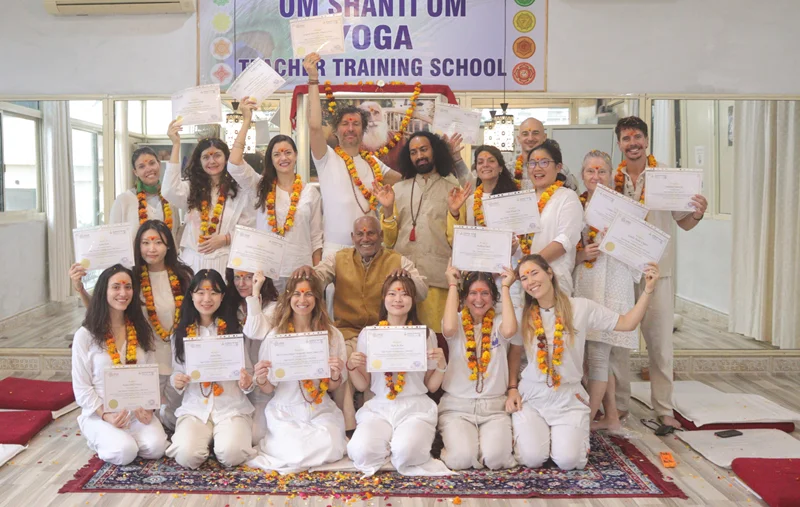
          • Once you successfully complete the course, you’ll receive a Yoga Alliance USA Certified 200 Hour Yoga Teacher Training Certificate, allowing you to teach yoga worldwide.

          Our 200 Hour Ayurveda Yoga TTC in Rishikesh is open to everyone, whether you're a beginner or an experienced yogi.

          • No previous yoga experience is needed—we start from the basics.
          • You don’t need to be flexible; regular practice will improve your flexibility.
          • Ideal for those who want to consolidate their practice or come to yoga preceptors.
          • Perfect for yoga preceptors looking for a transnational instrument.

          Rishikesh, the Yoga Capital of the World, provides the ideal setting for your yoga experience.Located in the Himalayan foothills and graced by the sacred Ganges River, our peaceful setting promotes spiritual growth, tone- mindfulness, and mending.

          • Morning daylight contemplations along the Ganges every day.
          • Quiet surroundings that grease profound literacy.
          • A yogic community that is supportive with lasting friendships.

          Ready to change your life with yoga? Take the initial step today and join our 200 Hrs Ayurveda Yoga TTC in Rishikesh.

          Meet Our Expert Team

          line
          Guru Buddhi Prakash Ji

          Guru Buddhi Prakash Ji

          Meditation & Philosophy Expert
          Yogi Dinesh Chander Ji

          Yogi Dinesh Chander Ji

          Director & Leading Hatha Yoga Teacher
          Swami Amarna Ji

          Swami Amarna Ji

          Osho Meditation Facilitator
          Yogi Kamal Ji

          Yogi Kamal Ji

          Hatha Yoga Alignment & Adjustment Teacher
          Dr. Usha Vaishnava Ji

          Dr. Usha Vaishnava Ji

          Ayurveda Teacher
          Navneet Ji

          Navneet Ji

          Iyengar & Ashtanga Yoga Teacher
          Yogi Jitendra Ji

          Yogi Jitendra Ji

          Yoga Pranayama and Meditation Teacher
          Kannan Ji

          Kannan Ji

          Ayurveda & Yoga Physiology Teacher

          Reviews

          line
          Elisa Vuillermoz

          Elisa Vuillermoz

          200 hour TTC

          "Completed my 200 hours TTC at Om Shanti Om, I'm now back home but my heart is still there. When I a...See More
          Anyee Tan

          Anyee Tan

          300 hour TTC

          "Signed up with an intention to learn and deepen my practice, and now leaving the place with so much...See More
          Lisa Giangolini

          Lisa Giangolini

          500 hour TTC

          "My experience in Om Shanti Om ashram was amazing. I did the 200hrs teacher training in February. Fi...See More
          facebook rating image
          4.6
          (195+ Facebook Reviews)
          Yoga alliance rating image
          4.53
          (95+ Yoga Alliance Reviews)
          tripadivisor rating image
          5
          (175+ Tripadvisor Reviews)
          Google image
          4.9
          (280+ Google Reviews)

          Explore Tranquil Living at Om Shanti Om

          line

          "Home Away From Home at Om Shanti Om Yoga Ashram."

          At Om Shanti Om Yoga Ashram, we believe that a conducive environment is crucial for your yoga teacher training journey. Nestled in the serene mountains of Rishikesh, our ashram offers a sanctuary where you can fully immerse yourself in the practice and teachings of yoga. We understand the significance of comfort and tranquility, which is why we leave no stone unturned in providing exceptional accommodation facilities for our students. Our rooms are designed to offer the utmost comfort, ensuring that you can relax and rejuvenate after a day of intensive training.

          Food and Accommodation
          Food and Accommodation
          Food and Accommodation
          Food and Accommodation

          Nourish Your Body and Soul with Satvik Food

          line

          Embrace the power of mindful eating on your yogic path! At Om Shanti Om Yoga Ashram, we understand that food is not just sustenance, but a crucial element of your spiritual journey. Our dedicated kitchen team crafts each meal with intention and love, creating a nourishing experience that elevates your yoga teacher training to new heights. We honor the ancient wisdom of satvik cuisine, preparing vegetarian and lacto-vegetarian dishes that resonate with yogic principles. This wholesome approach to nutrition fosters harmony within your body, clarity in your mind, and depth in your spiritual practice. By choosing pure, natural ingredients and time-honored cooking methods, we support your quest for balance and inner peace.

          Food and Accommodation
          Food and Accommodation
          Food and Accommodation
          Food and Accommodation

          Frequently Asked Questions

          line

          Om Shanti Om Yoga Ashram is giving the best 200-hour teacher training in India. There are three types of courses: 1. Teacher Training course, 2. Course with sound healing, 3. And an Ayurveda yoga teacher training in Rishikesh. All these courses are open to application for native citizens and foreigners.

          Yes, you can stay in a yoga ashram and meditation ashram in Rishikesh and Dehradun. You will find attractive courses of yoga teacher training and Ayurveda healing. The place is also provided with food and housing facilities.

          It takes a few weeks to complete 200-hour yoga teacher training. The course also gives certifications of participation, which help in getting Registered Yoga Teacher certifications. You can also connect with Om Shanti Om Yoga Ashram's WhatsApp number for more information.

          It is not common to fail any of such courses, but if you are a very careless person and absent from yoga classes, then there are chances. So you can take the course, and if you are doing something very harsh or having an addiction at that time, then it might not work for you.

          The course covers 25 days of accommodation, three daily vegetarian meals, all study materials, and hands-on classes in Ayurveda, yoga philosophy, anatomy, pranayama, and meditation. It also includes a free airport pickup from Dehradun, an Abhyanga massage session, and guided ceremonies such as Ganga Aarti and a closing Ganga Puja.

          Yes. The program welcomes both first-time practitioners and experienced yogis. No prior yoga or Ayurveda knowledge is required — the curriculum starts from the fundamentals and builds up gradually, so flexibility or past training isn't a prerequisite.

          Graduates receive a Yoga Alliance USA-accredited 200-hour RYT certificate, which qualifies them to register as a certified yoga teacher and teach internationally.

          Course fees vary by accommodation type — yoga tuition only, shared room with meals, or private room with meals — with optional A/C room upgrades. Exact pricing and current seasonal offers are listed on the official course schedule page, and a $200 deposit secures a booking.

          Students study the three doshas (Vata, Pitta, Kapha), Ayurvedic lifestyle and nutrition principles, body constitution analysis, pulse assessment basics, personal diet guidance, and how to apply these principles to sequence and teach yoga classes.

          The nearest airport is Jolly Grant Airport, and the nearest railway station is Haridwar Junction. Buses are also available from Delhi's ANVT and Kashmiri Gate terminals. The school offers free taxi pickup from Dehradun Airport for enrolled students.

          Students must maintain at least 90% attendance, complete a practical teaching demonstration, and submit a written assignment on yoga philosophy, anatomy, and teaching methodology to qualify for certification.

          Yes. Practicing yoga teachers often join to deepen their understanding of Ayurveda and refine how they structure and personalize classes for students with different body constitutions.

          All classes are mandatory, punctuality is expected, and alcohol, smoking, and drug use are strictly prohibited. Outside guests aren't permitted during the course, and meal wastage should be avoided or communicated in advance.

          Light, loose-fitting clothing for asana and meditation practice, a reusable water bottle, personal toiletries, a notebook, and any personal medication. Since food and lodging are provided, students don't need to bring supplies for those.