Course Overview
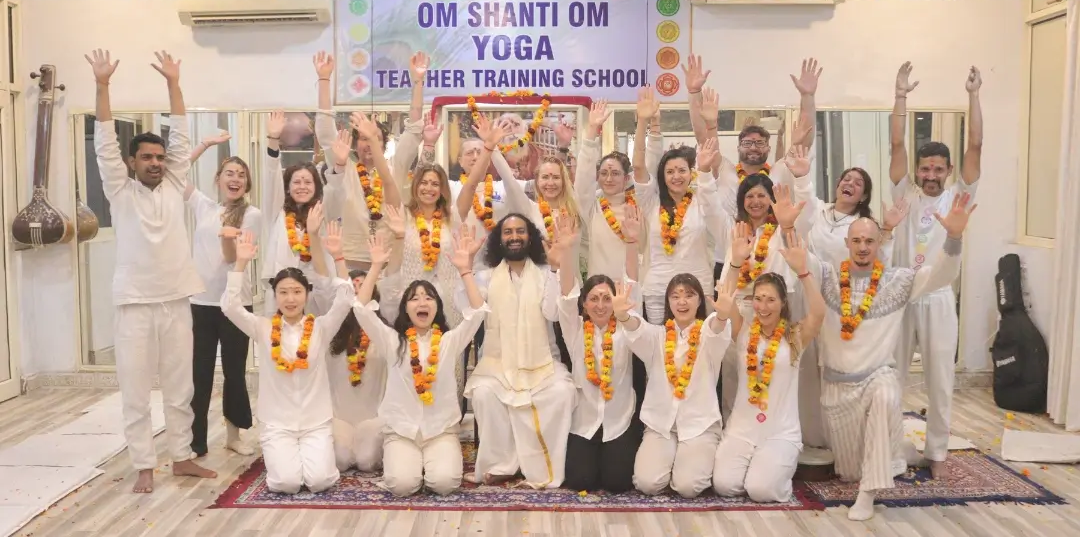
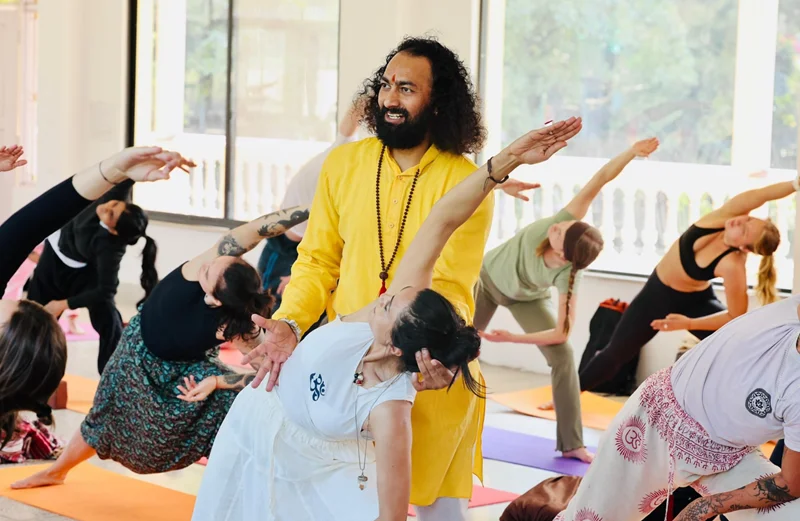
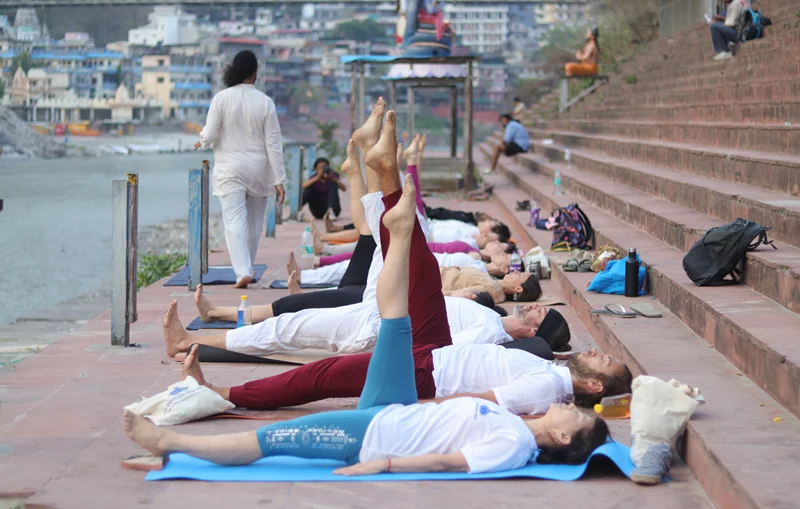
200 Hours Yoga Teacher Training in Rishikesh, India is very popular among the students who chose to be a Yoga Teacher or for personal life transformation. At Om Shanti Om Yoga Ashram, we offer a 200nhour training course,consist of four weeks, at our homely School. This 200 hour course will cover an extensive amount of learning across the whole spectrum of the yogic way of life. It will teach you the root principles of ancient yoga traditions. This 200 hours of academic teaching and physical practice is an essential approved certification by the Yoga Alliance, enabling you to confidently and correctly teach yoga practice wherever you may be in the world. As well as being the perfect fit for someone wanting to be a yoga teacher, this course also is suited for any individual with a serious interest and desire to understand the diverse layers of yoga for personal reasons. You will be given group or individual attention during classes with your teachers being available after teaching for any questions you may have to do with your Yoga teacher training journey. This 200 hour course wiIl give you a holistic style of exercise, different from that of conventional approach towards exercise, creating awareness, concentration, relaxation and peace within. It will integrate the physical, mental and spiritual elements of yoga which has been proven to enhance both a content state of mind and a healthy, fully functional body. Most of the time spent on this course will cover these core areas:
Yoga Asana
According to Patanjaliasanas means,’’sthira sukham asanam’’ i.e’’ that position which is comfortable and steady’’.Asana is that state of body in which it may be kept easily. As a matter of fact, the ability to sit comfortably for an extended period of time in any position is called asana. Yoga asana gives fundamental skills of keeping our body fit and healthy
- Sitting Postures / Meditative Postures: Baddha Padmasana, Dhyana Veerasana, Moolabandhasana, Eka / Dwi Pada Sirasana, Poorna Titali Asana,
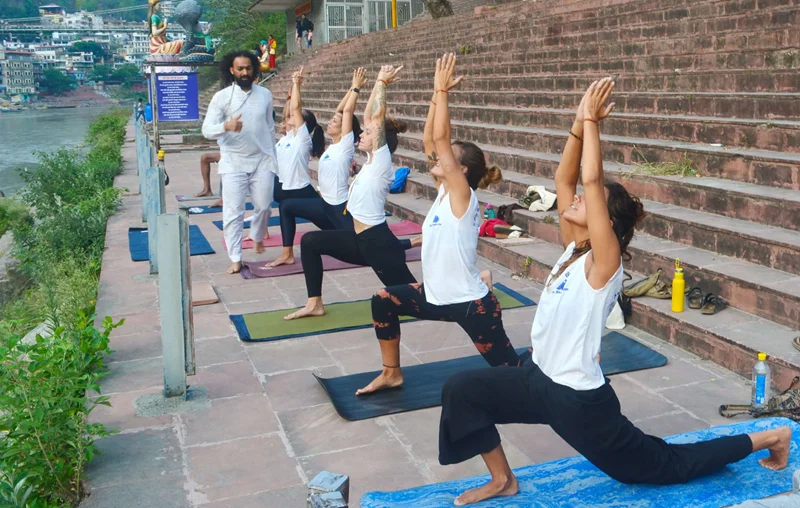
- Standing Postures: Trikonasana (Variation 1 – 4 ), Utkatasana, Veerbadhrasana (Variation 1, 2)
- Balancing Postures: Palm Balancing, Saral Natarajasana, Vatayanasana, Uttitha Hasta Padangusthasana, Eka Padasana, Eka Pada Pranamasana, Vriskshasana, Garudasana, Baka Dhyanasana, Eka Pada Baka Dhyanasana,Garbhasana, Lolasana, Kukkutasana, Merudandasana, Dwi Hasta Bhujasanam, Santolanasana, Vashisthasana, Mayurasana, Padma Mayurasana
- Inverted Postures: Sirshasana, Sarvangasana,Padma Sarvangasana, Halasana, Vipareeta Karani Asana
- Twisting Postures: Ardha Matyendrasana, Astha Vakrasana, Supta Udarakarshanasana, Meru Wakrasana, Parivritti Janu Sirshasana
- Forward Bend Postures: Pada Prasar Paschimottanasana, Ardha Padma Paschimottanasana, Yoga Mudhrasana, Saithalyasana, Padahastanasana, Koormasana, Supta Pawanmuktasana
- Back Bend Postures: Saral Bhujangasana, Tiryaka Bhujangasana, Saral Dharunasana, Dhanurasana, Shalabasana, Supta Vajrasana, Ustrasana, Setuasana, Vrischikasana, Sarpasana, Ardha Shalabhasana, Poorna Shalabhasana, Kandharasana, Ardha Chandrasana
- Dynamic Postures: Pawanmuktasana, Marjariasana, Surya Namaskar, Chandra Namaskar, Vyaghrasana Astavakrasana, Hanumanasana
- Relaxing Postures: Balasana, Savasana, Makarasana, Shashankasana
Pranayama
Pranayama is a Sanskrit word meaning "extension of the praa or breath" or "extension of the life force". The word is composed of two Sanskrit words: prana, life force, or noted particularly as the breath), and ayma, to extend or draw out. (Not "restrain, or control" as is often translated from yam instead of ayama). It is a yogic discipline with origins in ancient India. Pranayama is traditionally viewed as a practice involving a lot more than just breathing for relaxation. It is a term having a broad range of meanings and connotations Pranayama is the foundation for our body because it refreshes our breathing system and makes fit our respiratory system. It is a term having a broad range of meanings and connotations. The sage Patanjali, in yoga sutras, defines pranayama as regulation of incoming and outgoing breath coupled with retention. The practice of pranayama is crucial for preparing your body and mind for meditation. Our 200 Hour Yoga Teacher Training program includes the theory and practice of the essential methods of pranayama.
- Introduction of Pranayama: Natural Breathing, Abdominal Breathing, Chest Breathing or Thoracic Breathing, Clavicular Breathing, Yogic Breathing or Deep Breathing, Nadi Shodhana with inner & outer retention and Jalandar Bandha, Anuloma Viloma, Bhastrika, Kapalbhati, Shitali Shitkari, Surya Bedhi & Chandra Bedhi, Purak Kumbhak Rechak, Ujjayi, Kakimudhra Bahya Pranayama Karna Rogaanta Pranayama
- Benefits of Pranayama:
- Breathing techniques to improve respiratory functioning
- Which in turn improves the functioning of all the systems
- Natural breath – slow, rhythmic and diaphragmatic
- Breath regulation for stress-related problems
- Importance of Kumbhak/breath retention and its applications
Meditations
Despite all its popularity, today very few of us truly know what meditation is. Some regard meditation is the mental concentration on something; others consider that we meditate when we imagine something that gives us peace or satisfaction. All these methods are being with one goal to slow down and, eventually, completely stop the incessant activity of our minds. These exercises are not really meditation they are substitutes for meditation because it is normally very difficult to stop your mind altogether. In reality, meditation is a state of thoughtless awareness. The real meaning of meditation is transforming our mind. By engaging in a particular meditation practice you learn the patterns and habits of your mind, and the practice offers a means to cultivate new, more positive ways of being. With regular work and patience, these nourishing, focused states of mind can deepen into profoundly, peaceful and energized states of mind. Our approach to the practice of asana will facilitate the experience of meditation, both in your asana practice and during seated meditation at the end of each day.
- Introduction of Meditation: OM Meditation, Mantra Chanting Meditation, Soham Meditation, Shiva Meditation, Yoga Nidra Meditation, Tratak (Candle) Meditation, Chakra Meditation, Buddha Meditation (Vipassna), Inner Light Meditation, Prana Meditation, Kundalini Meditation
Benefits of Meditation
- Self-observation many levels either guided or by self
- Learning the skill of how to guide students
- The connection between breath and meditative state
- Yogendra from beginners to advance level
Mantra Chanting and Kirtan
The word mantra is a Sanskrit word which came from two words man means mind and antra means inner. The mantra chanting will help you to reduce your all the stress level. Chanting helps us to change our thoughts and behavior. In our 200 hour YTTC, we give a selective mantra which student can practice themselves and as well as they can teach their students.
- Ganesha Mantra -Vakratunda Mahakaya
- Shiva Mantra – Karpoora Gauram
- Santhosham Santhi Mantra
- Mangalam Mantra Samarpanam Mantra
- Twameva Sarvam Mantra
- Om Mantra
- Vaidika Shanthi Mantra (Dyoho Santhir Antararikagum)
- Kirthana
- Benefits of Mantra Chanting
- Calms the mind and reduces stress through rhythmic sound repetition
- Lowers cortisol levels, easing anxiety and mental fatigue
- Improves focus, memory, and mental clarity
- Regulates breath and supports a relaxed, balanced nervous system
- Encourages deep physical relaxation and natural healing
- Releases suppressed emotions and mental tension
- Enhances self-awareness, meditation, and mindfulness
Yoga philosophy (Darshana)
The main philosophy of yoga is simple: mind, body and spirit are all one and cannot be clearly separated. Yet there is a multitude of philosophical ideas developed by looking into the deeper dimensions of the body, mind and spirit. Yoga is a set of spiritual practices but in itself is not an institutionalized religion, per se. Hinduism is related to yoga through a common recognition of the Vedas as an authoritative source, and both Buddhism and Jainism share many of the core values of the yoga tradition. But classical yoga is best understood as a system of spiritual practice, rather than a particular religion.
- Why is Yoga?
- Historic tradition of Yoga
- Shiva and Shakti concept
- Yoga Sutra: The four path of Yoga Sutra, The discipline of life
- Bhagavad Gita: Introduction and Meditation, Sthita and Prajna, Path of Devotion and Royal Path, The Profound Knowledge of Three Gunas, The Knowledge of Field
- Samkhya: Introduction to Samkhya, Cause of Pain and Way of Self-realization, Karma and Sanskara
- Stages of consciousness Tantra: Introduction of Tantra, Vijnana Bhairava Tantra Kundalini Yoga
- The Art of Kundalini Yoga: The Kundalini Yoga works with Kundalini Energy
- Yogi and Rishi and Avatar concept
- The concept of mind, senses and soul
- Yogic Ethics (Yamas and Niyamas
- Indian Culture and Spiritual Traditions
Mudra Practice Sessions:
Mudra can be described psychic, emotional gesture. It is a combination of subtle physical movements which influence our mind, pranic body, internal organ and concentration. There are hand mudra, body mudra, facial mudra thus Hand Mudra is most famous. When the Mudras is practiced at the highest level, it leads to awakening the Prana, Chakra, Kundalini which can bestow specific powers. Mudra manipulates Prana and eventually our Nadi and Chakra.
- Introduction of Mudra
- Yoni Mudra
- Apana Mudra
- Maha Bandha Yoga
- Mudhra Nasagra Mudhra
- Gyana Mudhra
- Hridaya Mudhra
- Bhairava Mudhra
- Jnana Mudhra
- Prana Mudhra
- Singha Mudhra
Bandha Practice Sessions:
It is a term for the body locks in Hatha yoga, treated under the heading of mudra. Specific Bandhas are; Mula Bandha, contraction of the perineum, Uddiyana Bandha, contraction of the abdomen into the rib cage, Jalandhara Bandha, tucking the chin close to the chest, Maha Bandha, combining all three of the above Bandhas. Among these, I will give you a short description of the few important ones. You can select that which suits you well and practice regularly. A Cough, asthma, enlargement of spleen and liver, sex-sublimation, venereal diseases, consumption, chronic constipation, leprosy and all sorts of incurable diseases are also cured.
- Introduction of Bandha
- Moola Bandha
- Uddiyana Bandha
- Jalandhar Bandha
- Uddiyana Bandha
- Jalandhar Bandha
- Alandhara Bandha
- Maha Bandha
Yoga Anatomy & Physiology:
Yoga Anatomy is a study of the Subtle currents of energy that moves through the layers of three bodies. The Ancient yogi held the view that we actually have three bodies; Physical, Astral and Causal. Asana practice is a way of imposing order on the human system and use the poses in a proper alignment. We don't live to do Yoga but we do yoga in a proper way and proper sequencing so that we may live a healthy life. Basically, Yoga Anatomy comprises of breathing excercises, muscular and skeletal adjustment as well as correcting improper body alignment. Yoga Anatomy is a valuable resource that allows you to see each movement in an entirely new light. This approach will lead you logically through a wealth of musculoskeletal anatomy, bring the academic discourse to life, and permit you to understand the body's architecture and work with its safety.
- Respiratory Systems: Anatomy and respiratory of physiology system, Effect of Yoga practices and physiology of Pranayama
- Skeleton Systems: Anatomy and biomechanics of joints, Safe way of adjustments and modifications of asanas
- Cardiovascular Systems: Structure and physiology of heart and blood vessels, Blood pressured and effect of yoga practices
- Digestive System: The work of Digestive System in the body, How Digestion Effect Yoga
- Endocrine Systems: The works of the Glands in the body, The Action of Hormones
- Nervous System and Plexus: The Nadis and Nerves, The Function of Nervous Systems
- Muscular Systems: The Functions of Muscular & Skeletal System, The Effect of Yoga and Muscular System, Muscular and Skeletal System effect the Posture of the Body
Ayurveda:
Ayurveda or Ayurvedic medicine is a system of traditional Hindu medicine native to the Indian subcontinent. Contemporary practices derived from Ayurvedic traditions are a type of alternative medicine. Ayurveda is a discipline of the upaveda or "auxiliary knowledge" in Vedic tradition. The origins of Ayurveda are also found in the Atharvaveda, which contains 114 hymns and incantations described as magical cures for disease. Since then Ayurveda has stood for the wholesome physical, mental and spiritual growth of humanity around the world. Today, it's a unique, indispensable branch of medicine, a complete naturalistic system that depends on the diagnosis of your body's humours - vata, pitta and kapha - to achieve the right balance.
- The holistic health
- The sub-doshas 1
- The sub-doshas 2
- Fasting (colon cleansing)
- Panchakarma 1 & 2
Shatkarmas Practice Sessions:
Kriya most commonly refers to a "completed action", technique or practice within a yoga discipline meant to achieve a specific result. Another meaning of kriya is an outward physical manifestation of awakened Kundalini, such as a spontaneous body movement related to kundalini energy flow. Kriya Shakti is "a power of thought", said to be greatly studied by yogis. The Purity of body encourages purity of the mind. Yoga has developed six cleansing techniques or shat kriyas for purification of the physical body. Through these simple exercises, nature is assisted in the elimination of waste products and mucus. Many mental and physical ailments may be alleviated through the practice of kriyas.
- Jala Neti
- Rubber Neti
- Sutra Neti
- Nauli
- Tratak
- Bahya Kumbha
- Agnisara
- Kunjal
- Vastra Dauti
- Sankaprakchalan
Teaching Techniques and Allignment:
In 200 Yoga Teacher Training Course, We help the student to see what is the right and wrong posture between the class and help them to get the right posture. And create the group to help each other to create a sequence of asanas for there teaching methodology.
- Positive & conscious communication Friendship and trust
- Time management
- Qualities of a teacher
- Principles of demonstrating, observation, assisting, correcting
- Use of voice in class
- Mental & emotional preparation for teaching
- Class preparation
- Step by step class structure planning
Sukshma Vyayama
Sukshma is a Sanskrit word meaning "subtle".The presence of sukshma is felt, but not seen. Sukshma yoga is an excellent relaxation technique that promotes and activate our pranic body. It is a form of yoga comprising of subtle exercises that are simple to practice yet highly effective.
- Benefits of Sukshma Vyayama
- Improves joint mobility and keeps the body flexible
- Gently warms up muscles and reduces stiffness
- Enhances blood circulation and oxygen supply throughout the body
- Helps release physical tension and muscular fatigue
- Supports healthy posture and spinal alignment
- Increases energy flow and reduces lethargy
- Suitable for all age groups and fitness levels
- Ideal for beginners, seniors, and those with limited mobility
- Promotes relaxation, focus, and mental clarity
- Encourages mindful movement and present-moment awareness
Laughter Yoga
Laughter yoga is a modern exercise involving prolonged voluntary laughter. This type of yoga is based on the belief that voluntary laughter provides similar physiological and psychological benefits as spontaneous laughter. It is usually done in groups, with eye contact and lots of playfulness between participants. Intentional laughter often turns into real and contagious laughter.
Physiology & Anatomy (Sarir Vijnan)
Learning and understanding the physical bodily functions will help prevent injury before, during and after practice. The types of yoga anatomy are both physical and spiritual. This will include the study of digestive, respiratory, circulatory, nervous and endocrine systems. Also organs and Chakras. The anatomy studies will teach how the body is affected by Asanas - skeletal, muscular and joint movements.
Teaching practice and methodology
You will learn how to be able to carry out demonstrations, correct alignment and instruct other students by performing in front of your peers and yoga teachers on the course. Being able to create peace and positivity will be key to ensuring your students have a transformative and enjoyable experience with you.
Why Choose 200 Hour Yoga TTC at Om Shanti Om Yoga Ashram
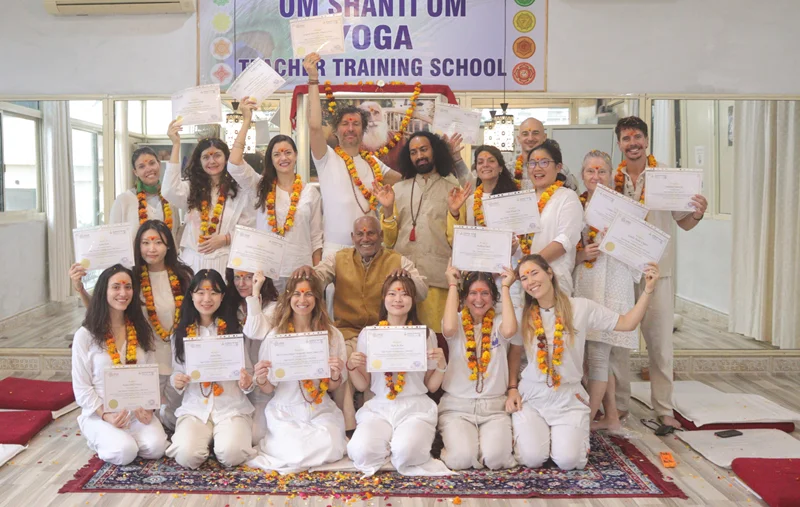
Om Shanti Om Yoga Ashram offers many yoga courses like 100 Hours Yoga Teacher Traning, 200 Hours Yoga Teacher Traning, 300 Hours Yoga Teacher Traning, and 500 Hours Yoga Teacher Traning with the main focus on Classical Hatha Yoga 200 Hour Yoga Teacher Training Program which is ideally suitable for all level of yoga practitioners globally who wish to deepen their understanding and experience of Hatha Yoga and moreover want to pursue yoga as a lifestyle or profession. Classical hatha yoga is a sacred knowledge that has been handed down from teacher to student throughout the ages. During the Yoga Alliance certified Om Shanti Om Yoga Ashram offers many yoga courses like Yoga Teacher Training course offered by Om Shanti Om Yoga Ashram, you will be guided by experienced, certified yoga instructors, who will share their knowledge sincerely. We are a Yoga Alliance USA designated Yoga training School and we give a certificate of completion of 200 hours of Yoga Teacher Training. This certificate qualifies the student to register with Yoga Alliance USA as an RYT 200, or Registered Yoga Teacher at the 200 hour Yoga TTC level.This course also helps in achieving a peaceful and healthy state of body & mind. After the successful completion of 200 Hour Hatha Yoga Teacher Training Program at Om Shanti Om Yoga Ashram, the certificates registered with Yoga Alliance USA are provided to yoga students which are globally valid and a chance to start your career. 200 Hour Yoga Teacher Training program is a gateway for those who are exploring spiritual and yogic life. The Yoga Teachers (yoga gurus) at our School are having deep personal insight into the path of classical hatha yoga who are happy to further illuminate you the intricacies of yogic theory and it's application. The traditional Hatha Yoga Teacher Training Program at our yoga School in Rishikesh is an incredible metamorphosis for you. The syllabus and schedule of the day are designed in such a way that it will strengthen your personal practice and allow you further to use your own experience in a yoga world by start teaching others confidently.