


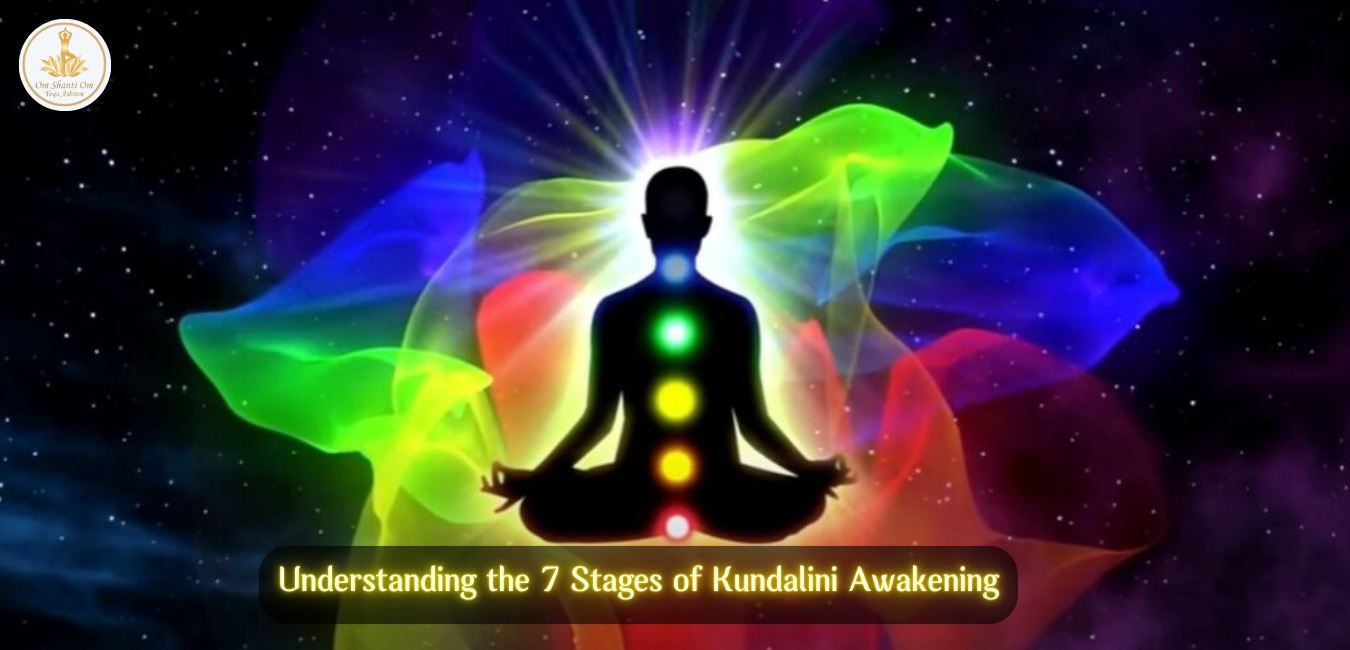
Kundalini awakening is one of the most powerful spiritual experiences. It starts with a gentle stirring of energy at the base of the spine and can completely change your life. This energy, known as Kundalini, is said to be like a coiled serpent waiting to rise. As it moves upward through the chakras (energy centers), it brings new levels of awareness, clarity, and transformation. In this blog, we will explore the seven main stages of Kundalini awakening in a simple, easy-to-understand way.
Each stage of this journey can bring new feelings, physical sensations, and life changes. Some people may feel excitement, while others may face challenges that help them grow. Kundalini awakening is different for everyone, but it always leads you closer to your true self and a deeper connection with life.
What is Kundalini Awakening?
Kundalini is often described as a sleeping spiritual energy that rests at the base of the spine, in the Root Chakra (Muladhara). It is said to be coiled like a snake. When this energy wakes up, it starts moving upward through the chakras (energy centers), leading to higher awareness, deep spiritual growth, and a strong connection with the divine.
Kundalini awakening is not just a physical experience. It brings changes to your emotions, thoughts, and spiritual life, slowly transforming you from within. Some people feel powerful energy, strong emotions, or a sharp increase in intuition, while others may feel deep peace and silence. This awakening can happen suddenly or through regular spiritual practices like yoga, meditation, and breathing exercises (pranayama). It is a beautiful and sacred journey that helps you truly know yourself.
Related Article:- What Is Kundalini Yoga Asanas
The 7 Stages of Kundalini Awakening
The process of Kundalini awakening is not something you finish or reach quickly. It is a long journey of personal growth, healing, and discovering more about yourself. Kundalini awakening usually happens step by step, not all at once. Everyone experiences it in their own way, but many people go through similar stages. Understanding these stages can help you feel more calm and focused as you move through this powerful experience.
1. The Beginning: Awakening the Energy
The first stage usually starts with a feeling that something inside you is starting to change. You may feel gentle buzzing, tingling, or warmth at the bottom of your spine. Some people feel more aware of their surroundings, emotions, and thoughts. You might also feel drawn to activities like meditation, yoga, or reading about spirituality. At this point, you may have moments of clear thinking or sudden inspiration. This is a sign that your Kundalini energy is starting to wake up and slowly move inside you.
2. Energy Rising: Feeling the Flow
As the energy starts to rise from the base of your spine, you may feel it moving through different parts of your body. Some people feel heat, pressure, or moving sensations along their back, neck, or head. You may also notice that your creativity grows and your inner voice or intuition becomes stronger. During this time, you may feel more sensitive to sounds, people, and emotions. Some moments may feel exciting, while others may feel confusing or unfamiliar.
3. Cleansing and Releasing: Emotional Purification
In this stage, the Kundalini energy works to clean out old emotional pain, negative thoughts, and past struggles you may still carry. It is like cleaning out a room that has been filled with dust and clutter for years. As this happens, you may feel mood swings, strong emotions, sadness, anger, or even body discomfort. Some days can feel very emotional, while other days may feel calm. This is a normal part of the journey. During this stage, it helps to practice meditation, yoga, or journaling. Talking to someone who understands can also make you feel better and help you handle what comes up.
4. Understanding and Balancing: The Integration Stage
After clearing old emotions, the energy inside you starts to feel more balanced and peaceful. This is the time when you begin to understand the changes you are going through. You might notice that your ideas, choices, and even the way you live are starting to shift. You may not feel connected to certain people, jobs, or habits from your past. Instead, you may start to enjoy new hobbies, new friends, or a different way of life that feels more honest and true for you. It is important to give yourself time to adjust to these changes. Simple practices like mindfulness, journaling, yoga, or creative activities can help you feel more steady during this time. You may start to understand yourself better and feel calmer as you move forward.
5. Spiritual Clarity: The Illumination Stage
At this stage, your connection with your higher self feels stronger. You may notice your intuition is clearer, and you start to understand your life purpose better. Many people begin to see signs, patterns, or helpful messages that seem to guide them in daily life. You may have moments when everything feels deeply connected and your mind feels very clear. These peaceful moments can bring joy and a sense of deep meaning. You may also feel like you want to keep growing and learning on your spiritual path. This stage often inspires people to continue meditation, yoga, and other mindful activities to keep their awareness strong.
6. Living Your Truth: The Embodiment Stage
In this stage, the lessons you have learned start to show in your daily life. You do not just think about spiritual ideas. You begin to live them in your work, relationships, and personal choices. People often find that they care less about material things and focus more on kindness, honesty, and following their heart. You may feel more connected to others and want to support people in meaningful ways. This stage is about staying balanced, patient, and loving, even when life is hard. You may also feel more connected to nature and start to see how everything in life is linked together.
7. Oneness and Deep Connection: The Union Stage
In the final stage, many people feel a deep sense of connection with the universe. The feeling of being separate from others begins to fade. You may start to feel as if you are truly connected to all people, animals, and nature around you. This connection brings peace, love, and full acceptance of life. You may let go of fear and the need to always have answers. Instead, you feel comfortable trusting life and flowing with it. Even though life still has difficult moments, you now feel a steady sense of calm that helps you face challenges with strength and kindness.
People Also Read:- Meru Vakrasana (Spinal Twist) Benefits, Adjustment & Cautions
How to Navigate the Stages of Kundalini Awakening?
Kundalini awakening is a deeply personal journey that can feel both beautiful and challenging. Here are some practical tips to support you through each stage:
- Educate Yourself:- Learn about the stages, signs, and potential challenges of Kundalini awakening. Knowledge will help you navigate this journey with greater awareness and less fear.
- Cultivate a Daily Practice:- Consistent yoga, meditation, and breathwork create a stable foundation. These practices help channel the Kundalini energy safely and keep you grounded.
- Listen to Your Body:- Pay close attention to your body’s signals. If you feel overwhelmed, slow down and focus on grounding practices.
- Journal Your Experiences:- Documenting your thoughts, emotions, and sensations can offer valuable insights and help you track your progress over time.
- Seek Guidance:- Work with experienced teachers, mentors, or spiritual communities who can provide support, wisdom, and reassurance along the way.
- Balance Your Energy:- Spend time in nature, enjoy creative activities, and avoid excessive stimulation from media or toxic environments. Balance helps regulate the intensity of the awakening.
- Be Patient:- Kundalini awakening unfolds in its own time. Trust the process, and approach your journey with patience and self-compassion.
- Maintain a Healthy Lifestyle:- Prioritize wholesome food, regular exercise, and adequate rest to support your physical and emotional well-being.
- Practice Detachment:- Avoid clinging to experiences or expectations. Stay open to the unfolding process without forcing outcomes.
Embracing the Kundalini Awakening Journey
The seven stages of Kundalini awakening guide you through deep spiritual growth and self-discovery. Each stage gives you a chance to heal, grow, and connect with your true self. At Om Shanti Om Yoga Ashram, we are here to support you on this beautiful journey. With the help of yoga, meditation, and spiritual practices, you can move through this path with calmness, understanding, and strength.
Always remember, Kundalini awakening is not about reaching an end point. It is about fully living each moment, trusting the wisdom inside you, and opening your heart to life. Take each step with patience and allow yourself the time to grow. Every part of your journey is special and meant to bring you closer to your true nature.












0 Comments
No comments yet. Be the first to comment!